Gluten-Free Afternoon Tea: What to Expect and How to Order
The stand arrives and everyone leans in. For most of the table, the only decision is which cake to start with. If you are eating gluten-free, you are doing a quick audit instead: is that scone the gluten-free one, and are those sandwiches safe for me?
A well-run tea room has already thought about this before you sit down. A less organised one hands you a plate of fruit and calls it done. The difference between those two experiences usually comes down to what you ask before you book, and what you confirm on arrival.
What "Gluten-Free" Means on a Tea Stand
Gluten is found in wheat, barley and rye. That covers more of a traditional afternoon tea than people expect: the bread, the scones, the cakes, the pastry on a tart, the roux in a savoury filling, the batter on fried items, and occasionally the malt in a flavoured tea or a decoration on a dessert.
Then there is the practical part — a kitchen making ordinary scones and gluten-free scones in the same small space. Cross-contamination is the reason so many tea rooms say "we can't guarantee". A shared toaster, a shared baking tray, a knife that has cut a fruit cake and is then used on yours: all of it matters.
If you have coeliac disease or another diagnosed condition, the level of risk you are willing to accept is a conversation for you and your GP or dietitian, not for a waiter. Be straightforward with the venue about it. "I'm coeliac, so cross-contamination matters to me" gets a very different answer from "I'm avoiding gluten" — and both are worth asking.
The Checklist: What Should Be on a Gluten-Free Stand
A proper gluten-free afternoon tea should mirror the standard one, not shrink it. Use this as your mental checklist when you read the menu:
- Sandwiches: gluten-free bread handled separately, with fillings free of flour, roux, batter or soy sauce.
- Scones: made with a gluten-free blend, baked on a lined tray or in a separate batch, and served warm with individual butter, jam and cream.
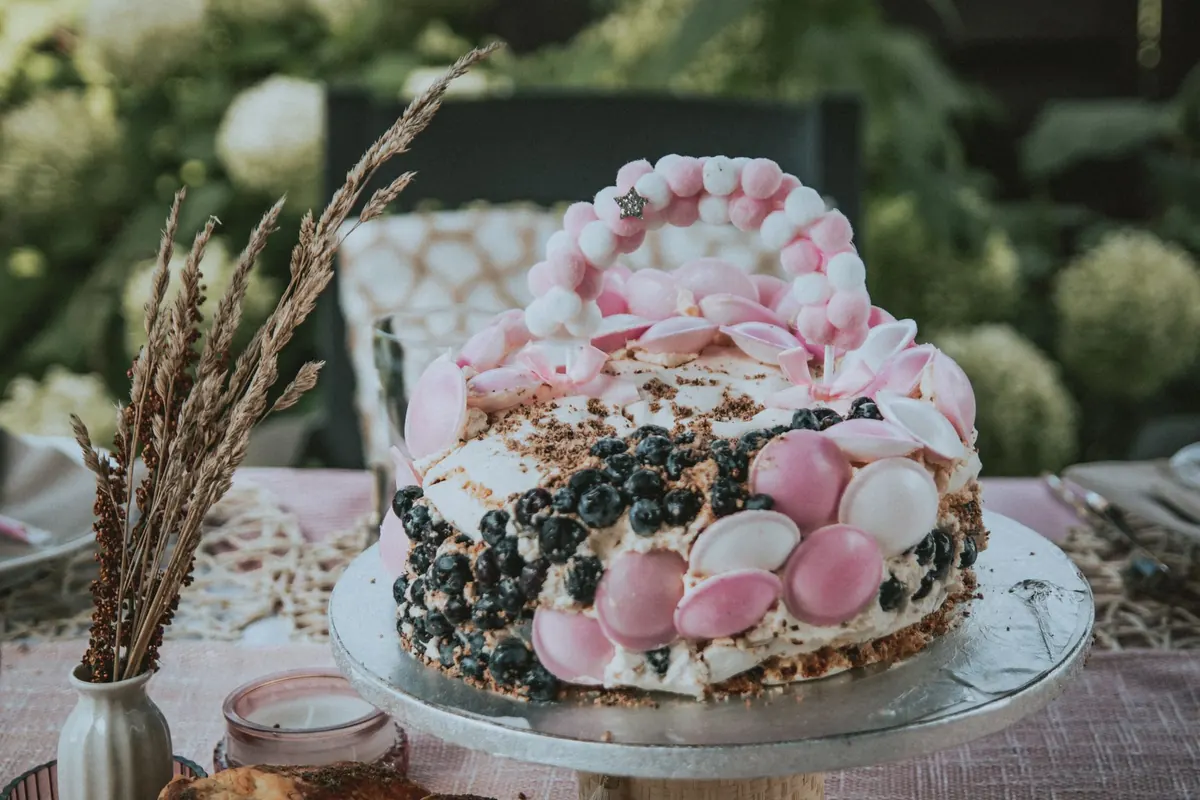
- Cakes: look for flourless styles — almond, polenta, chocolate torte, lemon posset — rather than a gluten-free sponge standing in for the real thing.
- Pastries and tarts: the hardest to do well. Ask whether the pastry case is bought in gluten-free or made on site.
- Savoury bites: frittata, devilled eggs, cured meat, cheese, olives, and soups thickened without flour or barley.
- Decorations: wafer paper, edible glitter, some icings and certain chocolate-coated items can carry wheat.
- Fried items: safe only where the fryer is dedicated.
If most of that list is missing, you are not being difficult by asking for it. You are paying for afternoon tea, and the gluten-free version should still be afternoon tea.
Questions to Ask Before You Book
Ring or email ahead. The answers tell you far more than a menu footnote. Work through them in this order:
- Do you offer a complete gluten-free afternoon tea, or only gluten-free scones?
- Is it prepared in a separate area, with separate boards, knives and toaster?
- Which items are naturally gluten-free, and which are swapped for something else?
- Is the gluten-free stand served separately, so nothing gets passed across it?
- What is in the fillings and sauces — flour, thickeners, soy sauce, malt?
- How much notice do you need? Many kitchens ask for a day or two.
- If I'm part of a group booking, can you cater for one gluten-free guest without a fuss?
Note down the name of whoever confirms it, then confirm again when you arrive.
Menu Swaps That Work
Good swaps keep the shape of the meal: something savoury, something bread-based, something warm with cream, something sweet. Toasted gluten-free bread holds up far better under a soft filling than fresh slices, and a wrap or a corn-based cracker does the same job. Smoked salmon with cream cheese, or ham with chutney, is more reliable than anything sitting in a thick sauce.
For the sweet layer, flourless cakes and set creams usually beat gluten-free versions of classics. A chocolate and almond torte, a lemon posset, meringues with berries, or dark chocolate with strawberries will please the whole table — no one feels they are eating the "special" option. Macarons are often made with ground almonds, but check, because some kitchens add wheat flour.
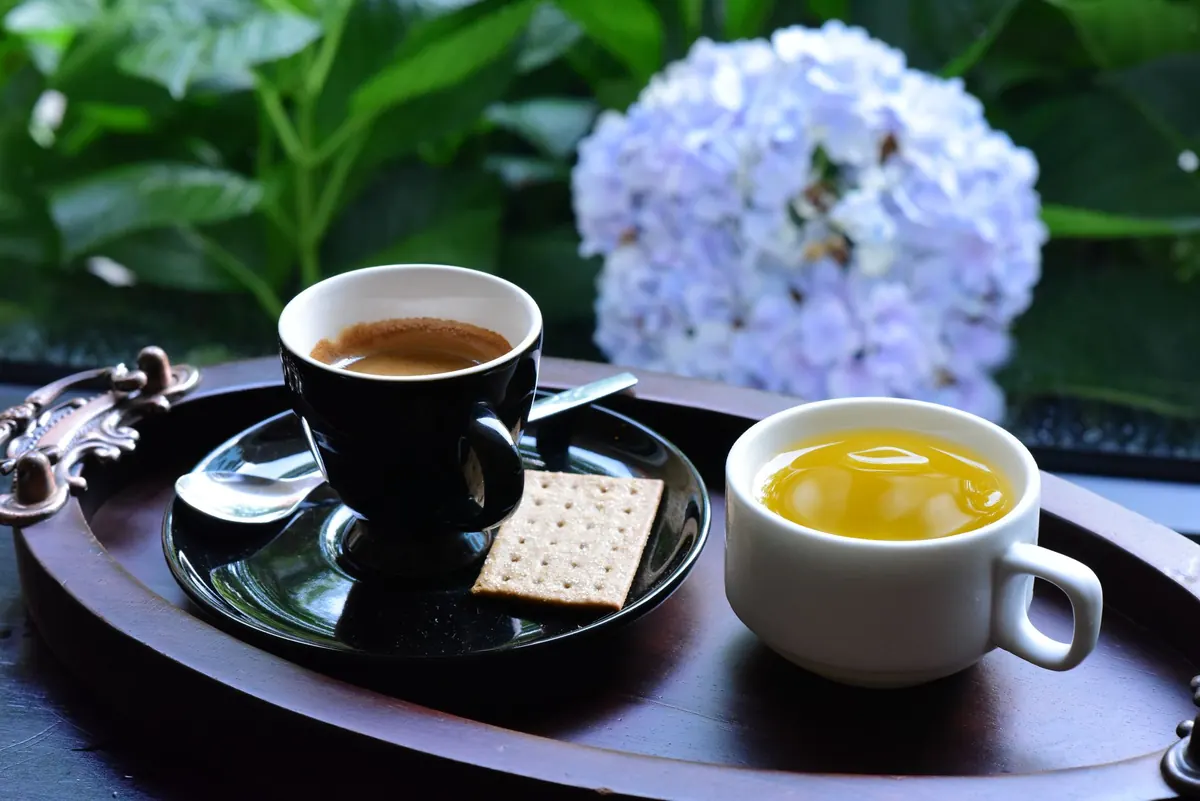
Drinks deserve a question too. Barley tea and some malted or caramel-flavoured blends contain barley, and certain hot chocolates and flavoured syrups do as well. Plain tea, or a blend you have checked, is the easy answer.
When the Stand Arrives
Two things are worth doing before anyone picks up a fork. First, confirm which stand is yours and ask the person serving to talk you through which items are gluten-free — point at each one if that helps. Second, keep your plates, cutlery and jam pots to yourself, because shared knives travel.
If something looks wrong, say so before you eat it. A quiet "can you check this one for me?" is far better than taking a chance on it. And if the venue has mixed up the order, ask for a fresh plate rather than letting them lift the offending item off the stand: the crumbs are the problem.
Booking Gluten-Free Afternoon Tea With Confidence
Mention it when you book, mention it again the day before, and mention it once more when you are seated. Give the kitchen as much notice as it asks for, be specific about whether this is coeliac or a preference, and name the things you actually want — a warm scone, a proper sandwich, one good cake. Most tea rooms will meet you there happily. If one won't, there is usually another parlour down the road that will.
Photo: Daniel Żabiński / Pexels