A Beginner's Guide to Afternoon Tea Teas: Assam, Darjeeling, Earl Grey and More
Afternoon tea lives or dies by the pot. You can bake a respectable scone, cut the crusts off the sandwiches and still leave the table flat if the tea arrives thin, stewed or simply wrong for the plate sitting in front of it. The good news is that the list of teas worth knowing is short, and the pairing rules are easier than most people expect. Here is what to pour, and when.
The Four Blacks That Cover Most Occasions
Assam
Assam comes from northeast India and is the maltiest, most full-bodied of the everyday blacks. It stands up to milk without turning grey and watery, which makes it the natural choice for a generous sandwich course: roast beef, ham and mustard, mature cheddar. If your afternoon tea leans savoury, start here. Assam is also the tea to keep pouring when the scones arrive and the clotted cream is being applied without restraint.
Darjeeling
Darjeeling grows in the Himalayan foothills and behaves more like a wine than a breakfast tea. First flush, picked early in the season, is light, greenish-gold and floral. Second flush is darker and often described as muscatel, which is a fair note if you have ever tasted a grapey white wine. Serve Darjeeling without milk and let it carry the delicate end of the table: cucumber sandwiches, smoked salmon, plain sponge, fruit tarts.
Ceylon
Ceylon is bright, brisk and clean, with a citrus edge. It sits in the middle ground, strong enough for a splash of milk yet refined enough to take a slice of lemon. That versatility makes it a sensible default if you are brewing one pot for a mixed table, and a good partner for jam-heavy scones and buttered fruit loaf.
Earl Grey
Earl Grey is a black tea scented with bergamot, the citrus that gives it that perfumed character — brilliant to some palates, faintly soapy to others. It is divisive, so offer it alongside a plain black rather than instead of one. Where it shines is with lemon drizzle, chocolate and anything containing orange or almond. Where it fights is with smoked salmon and heavy cream, both of which the bergamot tends to muddle. Lady Grey, lighter and more citrus-led, is a gentler option for the same job.
How to Match Tea to the Three Courses
Traditional afternoon tea arrives in waves. Treat the pot the same way.
- Sandwiches. Go lighter and cleaner than you might expect. Darjeeling, ideally first flush, or a green tea such as jasmine. If the sandwiches are meaty and substantial, switch to Assam or an English Breakfast blend.
- Scones. This is where a robust tea earns its keep. Assam, English Breakfast or Ceylon all cut through cream and jam.
- Cakes and pastries. Match weight with weight. Oolong or Darjeeling for light sponges, Ceylon for fruit cake, Earl Grey or a straightforward black for anything chocolatey.
If you are brewing only one pot, Ceylon or English Breakfast is the safe answer. If you are brewing two, pour the lighter tea first and the malty one second.
Worth Adding Beyond the Classics
Oolong
Between green and black in style, oolong is floral, buttery and often a little toasty. It suits delicate pastries and small cakes, and it takes a second steeping happily, which makes it good value for a long sitting.
Lapsang Souchong
This is black tea smoked over pine, and it smells like a campfire. A small pot alongside cheese scones or a ploughman's-style plate is genuinely good. With cream and jam, it is a mismatch.
Green tea and jasmine
Light, clean and best brewed cool. Jasmine in particular flatters cucumber sandwiches, delicate fish and fruit tarts. Skip it for chocolate.
Rooibos and chai
Rooibos is caffeine-free, naturally sweet and nutty, and forgiving if you forget the pot — useful for a late sitting or guests avoiding caffeine. Chai is a different drink altogether: spiced, usually milky and sweet, and heavy enough to swamp a delicate sandwich. With ginger cake or a dark fruit slice, it is excellent.
Brewing Without Fuss
Most disappointment at an afternoon tea comes down to water temperature and time, not the price of the leaves.
- Black tea (Assam, Ceylon, English Breakfast, Earl Grey): water just off the boil, around 95–100°C, three to four minutes. Assam can take five if you like it strong.
- Darjeeling first flush and green tea: cooler water, roughly 80°C, two to three minutes. Boiling water scorches them and brings out bitterness.
- Oolong: around 85–90°C for three minutes, then try a second steeping.
- Loose leaf: one rounded teaspoon per cup, plus one for the pot. Leaves need room to open.
- Milk: yes for Assam, English Breakfast and most Ceylon; leave it out of Darjeeling, first flush and oolong.
- Warm the pot: a quick swirl of hot water before the leaves go in keeps the second cup from going tepid. Small habit, noticeable difference.
Use freshly drawn water, and don't leave a pot sitting on a hotplate or under a tea cosy for an hour; tea keeps steeping whether you want it to or not.
Building Your First Afternoon Tea Tray
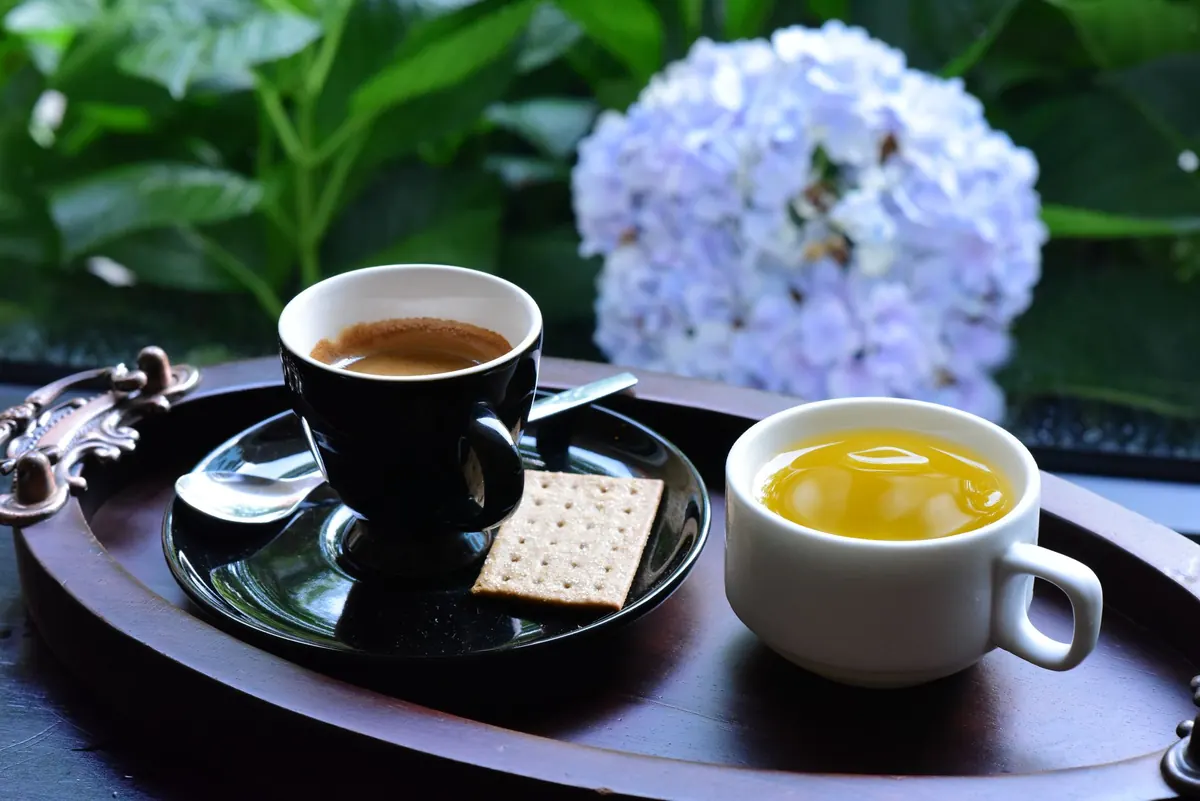
Starting from nothing, buy three teas. A malty black for the sandwiches and scones, such as Assam or English Breakfast. A lighter, un-milked tea for the dainty end of the table, such as Darjeeling or a jasmine green. And one wildcard for the guest who wants something different, whether that is Earl Grey, an oolong or a caffeine-free rooibos.
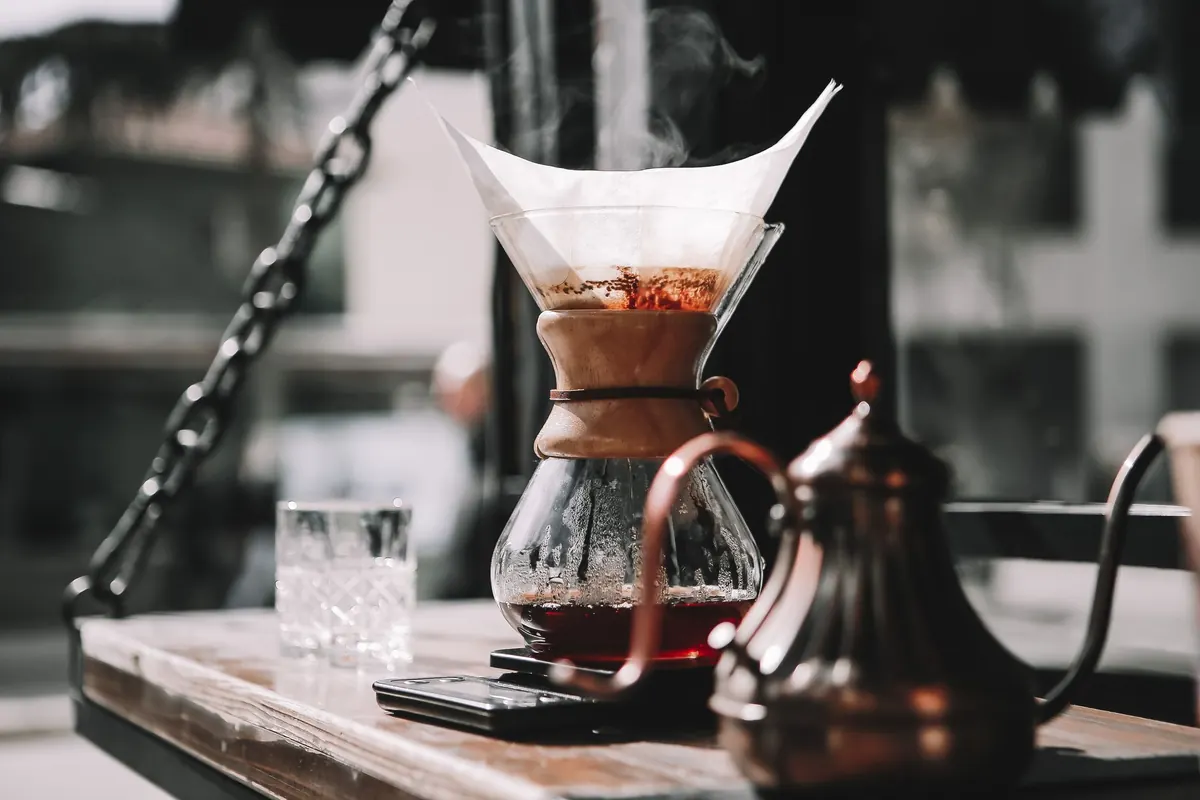
Then keep the serving simple. Brew in a pot rather than handing out individual bags, offer milk and lemon in separate jugs, and put a spare pot of hot water on the table so nobody has to drink a stewed second cup. Taste as you go, adjust the strength next time, and stop apologising for the tea. It is the easiest part of the whole spread to get right — and the part guests notice when it is wrong.
Photo: MD. Raktim Raze / Pexels